
Preventing Window Condensation: Identifying Causes and Finding Permanent Solutions
Condensation on Windows: A Common Problem with Serious Consequences A damp film on the inside of your windows, especially after cold nights or during changeable weather, is a…
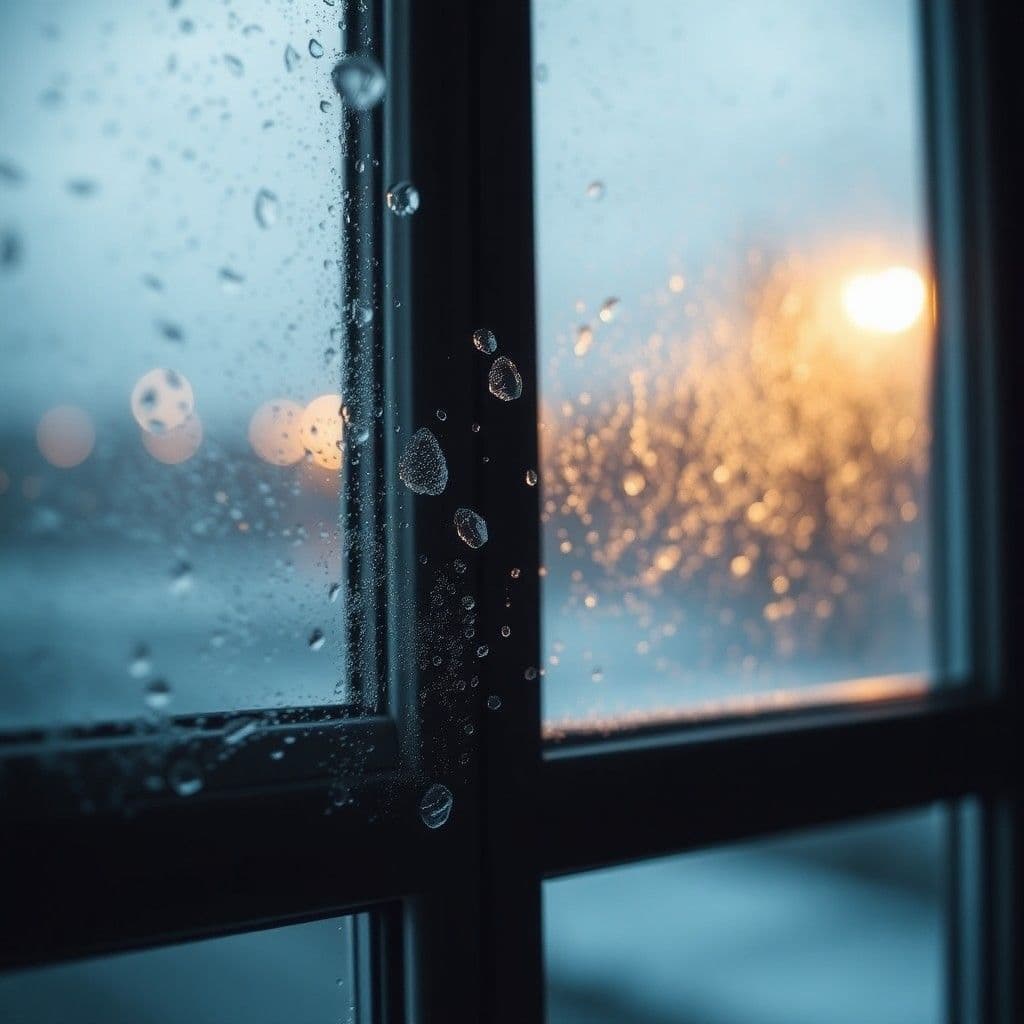
Condensation on Windows: A Common Problem with Serious Consequences
A damp film on the inside of your windows, especially after cold nights or during changeable weather, is a familiar sight for many homeowners. Condensation on windows is more than just a cosmetic issue. It is often a clear warning sign of excessive humidity in your living spaces, insufficient ventilation habits, or even an energy-weak point in your property. When warm, moist indoor air meets the colder surfaces of your windows, it cools down and can no longer hold the moisture it contains. This then settles as condensation. If ignored, this phenomenon can lead to serious long-term problems: from mold growth on window frames, seals, and adjacent wall areas to significant structural damage and health impairments due to mold spores. In view of rising energy costs and increasingly strict legal requirements such as the Building Energy Act (GEG), it is essential to take this issue seriously and proactively seek solutions.
Understanding the True Causes: Why Moisture Accumulates on Windows

To effectively prevent condensation, we must first understand the underlying causes. These are diverse and often interconnected:
Insufficient or Incorrect Ventilation Habits
The most common problem is ventilation. Many people tend to use so-called tilt ventilation, where windows are only tilted. This leads to slow air exchange and cools the reveals of the windows significantly, which promotes condensation. More effective is shock ventilation: opening windows wide several times a day for a few minutes to ensure rapid and complete air exchange. Quick ventilation is especially essential after showering, cooking, or drying laundry to remove the generated moisture from the rooms.
Faulty Heating Behavior
Heating behavior also plays a crucial role. Constant, moderate temperatures are better than highly fluctuating ones. If rooms cool down for extended periods, the air can absorb less moisture. When reheating, the moisture then condenses more easily at the coldest spots – the windows. Consistent heating of all rooms, even those used less frequently, helps minimize this problem. Also, ensure that radiators are not obstructed by furniture or curtains to ensure optimal heat distribution.
Inadequate Thermal Insulation of Windows and Building Structure
Older or poorly insulated windows are often the main culprits. They have low thermal insulation, causing the inner window surface – especially the frame and the pane edges – to remain significantly cooler than the room air. Here, warm, moist air meets a cold surface and condenses. This is not only a comfort problem but also an energy one. Poorly insulated windows lead to unnecessarily high heating costs and are a clear violation of the requirements of modern energy standards like the GEG. Thermal bridges in the building structure can also promote condensation.
High Humidity from Daily Activities
Moisture is continuously generated in the indoor air during cooking, showering, washing laundry, or even through breathing and sweating of the occupants. In well-insulated, modern buildings that are very airtight, this moisture cannot escape without regular and correct ventilation and accumulates at the coldest points.
Special Case: Condensation on the Outside
It may sound paradoxical, but condensation on the outside of your windows is usually a positive sign! This occurs with modern, highly thermally insulated windows when the outside temperature is very low and humidity is high. The outer pane remains so cold that the outdoor humidity condenses on it. This is an indicator of excellent thermal insulation and is completely harmless. There is no risk of mold growth or structural damage to fear here.
More Than Just a Cosmetic Flaw: Health Risks and Structural Damage from Condensation

The consequences of untreated condensation go far beyond unsightly water stains. The persistent moisture creates ideal conditions for mold growth. Molds release spores that, when inhaled, can lead to a variety of health problems: from allergic reactions, skin irritations, and headaches to chronic respiratory diseases and the worsening of existing asthma conditions. This is a serious risk, especially for children and immunocompromised individuals.
Furthermore, the moisture attacks the building structure. Wooden window frames can swell and rot, metal frames can corrode. Seals become porous and lose their function, which in turn leads to further moisture ingress. Wallpaper and plaster on walls can peel off, and costly consequential damage can occur, requiring extensive renovation. Compliance with standards such as DIN 4108-2 for thermal insulation requirements and DIN 1946-6 for ventilation is therefore not only important from an energy perspective but also for protecting your health and building structure.
Effective Strategies for Permanent Prevention: Proper Ventilation, Heating, and Moisture Control
The good news is: condensation on windows is not an unavoidable fate. With the right habits and targeted measures, you can effectively reduce humidity in your living spaces and permanently prevent condensation:
- Proper Ventilation: Opt for shock ventilation. Open all windows wide several times a day (at least 3-4 times) for 5-10 minutes. Cross-ventilation (simultaneous opening of windows on opposite sides) is most effective. Avoid permanent tilt positions.
- Proper Heating: Maintain a constant room temperature of approx. 20-22°C in living rooms and 17-19°C in bedrooms. Avoid rooms cooling down significantly. Heat all rooms, even those used infrequently.
- Reduce Moisture Sources: Dry laundry outdoors or in a well-ventilated room with an open window or a tumble dryer whenever possible. Cover cooking pots.
- Measure Humidity: A hygrometer helps you keep an eye on relative humidity. Values between 40% and 60% are ideal. If humidity is consistently above this, you should review your ventilation and heating habits or consider technical solutions.
- Position Furniture Correctly: Do not place furniture directly against cold exterior walls; leave some space (approx. 5-10 cm) to allow air to circulate.
When New Windows Are the Solution: Modern, Energy-Efficient Systems from VL-Innovativbau
If condensation remains a persistent problem despite all behavioral changes, the windows themselves are often the cause. Outdated windows with poor thermal insulation no longer meet today's standards and are energy weak points. Replacing windows with modern, highly insulating windows is then the most sustainable and effective solution. At VL-Innovativbau, we rely on innovative window solutions made from high-quality materials such as aluminum, PVC, and wood-aluminum, which meet the highest demands for thermal insulation, sound insulation, and security. Our windows comply with the strict requirements of the Building Energy Act (GEG) and significantly contribute to reducing your heating costs. They not only provide protection against cold and noise but also increase the value of your property. We provide comprehensive advice on the various materials and systems to help you find the optimal solution for you.
An important aspect is professional installation. Our experts ensure that your new windows are perfectly sealed and installed in an energy-efficient manner. Only then can the full performance of the window be utilized and moisture damage prevented. This is particularly relevant if you are planning or have already carried out an energy-efficient renovation, as the improved airtightness of the building according to DIN 1946-6 and the recommendations of VDI 6000 may require an adapted ventilation concept.
Use our practical window configurator to get an initial overview of your options and design your desired windows.
Your Partner for a Dry and Healthy Home: Professional Advice and Installation
Condensation on windows does not have to be a permanent condition. It is an important indicator for optimizing the energy efficiency and indoor climate of your property. Whether through adjusted ventilation and heating habits or through the installation of modern, energy-efficient windows – VL-Innovativbau is your experienced partner for a comfortable, healthy, and energy-efficient home. We offer not only high-quality products but also the expertise and professional implementation you need for long-term satisfaction. From the initial consultation to expert installation – we accompany you on the path to a dry and comfortable living environment.
Let us analyze the causes of condensation on your windows together and find the right, lasting solution for you. Contact us today for a no-obligation consultation or a personalized quote. We look forward to supporting you!
Stay informed
Get the latest tips on windows, doors and energy renovation directly to your inbox.
Previous article
Renewing a balcony door: properly planning tightness, safety, and comfort
Next article
Customizing windows to fit your needs: How careful planning saves time and money
Related articles
Jun 12, 2026
Post-Installation Window Care: Ensuring Durable Seals and Hardware for Maximum Energy Efficiency
No text provided to translate.
Read more
Jun 11, 2026
On-site measurement: Why a precise start is crucial for your new windows and doors
No text provided.
Read more
Jun 11, 2026
Construction Site Window Replacement: How to Optimally Prepare Your Home for Installation
No text provided.
Read more